
What is BS EN 14501
Darkening Performance?
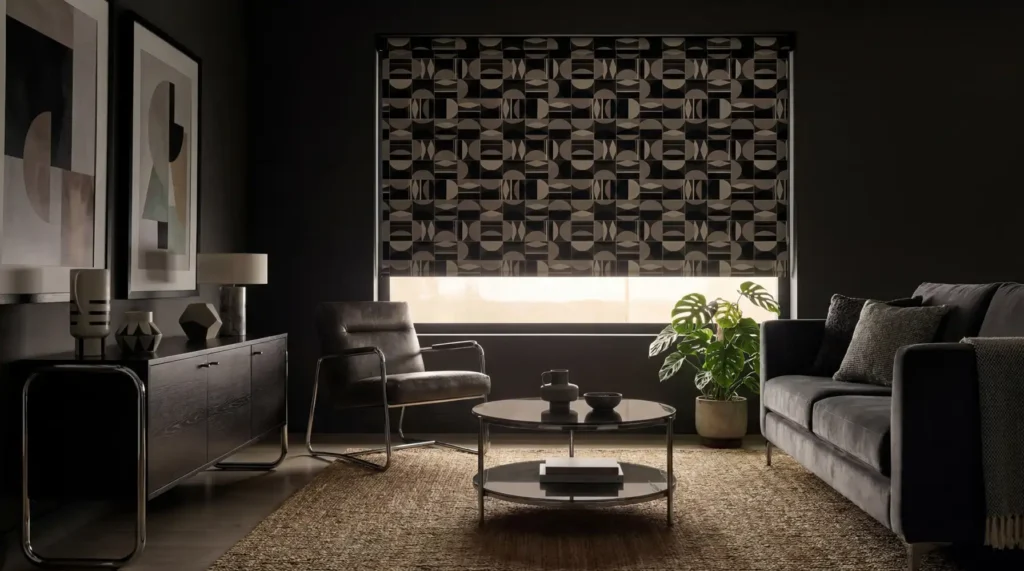
BS EN 14501 is the European standard used to clarify the visual and thermal performance of blinds and shading systems.
For darkening performance, the standard measures how effectively a fabric reduces visible light transmission using classifications between 0 and 4.
This provides a consistent and transparent method of comparing fabrics and in turn, helps specifiers, retailers and consumers make more informed product selections.
At Louvolite, we are adopting EN 14501 Darkening Performance classifications across our fabric collections to provide greater clarity and consistency when assessing light reduction performance.
What is BS EN 14501
Darkening Performance?
BS EN 14501 is the European standard used to clarify the visual and thermal performance of blinds and shading systems.
For darkening performance, the standard measures how effectively a fabric reduces visible light transmission using classifications between 0 and 4.
This provides a consistent and transparent method of comparing fabrics and in turn, helps specifiers, retailers and consumers make more informed product selections.
At Louvolite, we are adopting EN 14501 Darkening Performance classifications across our fabric collections to provide greater clarity and consistency when assessing light reduction performance.
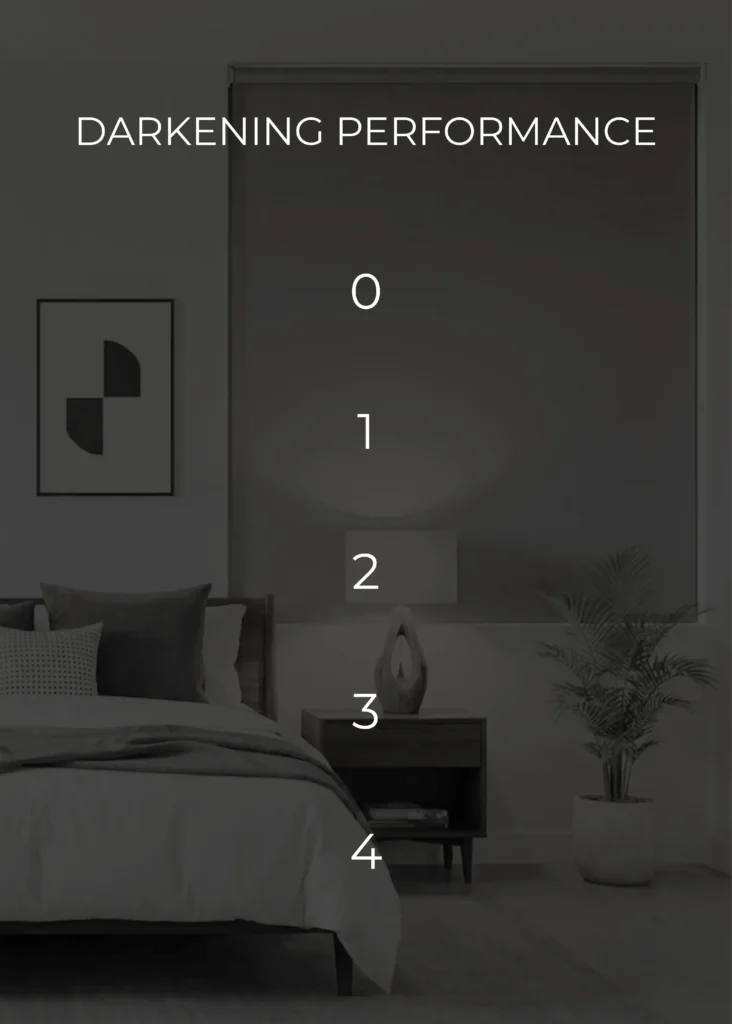
Understanding the Classification Scale
O
Very little effect
1
Small effect
2
Moderate effect
3
Good darkening
4
Very good darkening
O
Very little effect
1
Small effect
2
Moderate effect
3
Good darkening
4
Very good darkening
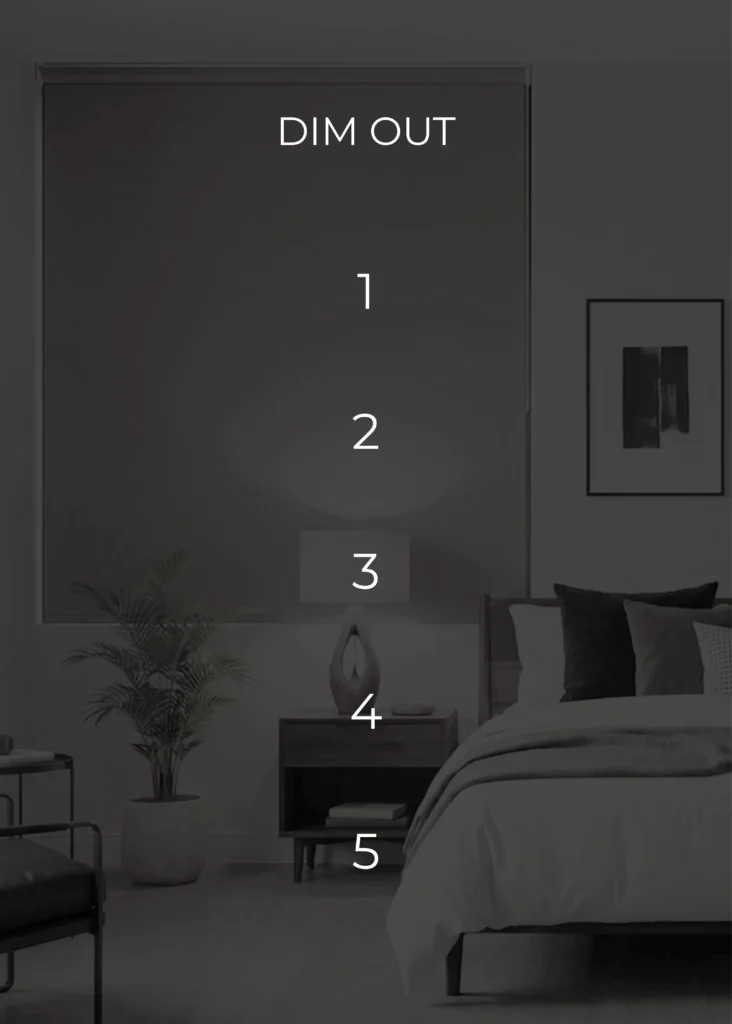
How Does This Compare to Dim Out?
On the surface, these two systems appear very similar, however there are important distinctions between the two that ultimately determine how shading systems are classified.
Dim Out refers to how much a blind fabric reduces incoming light, whereas Darkening Performance is a more thorough analysis of how effectively a blind system reduces light entering a space, taking into account not only the fabric but also factors such as blind design, installation, method, window size, and light. As such, the BS EN 14501 classification is a much more comprehensive measurement for the classification of shading systems.
BS EN 14501 is Science Backed
This is particularly challenging as glare perception is largely subjective and varies from person to person. These types of real-world studies therefore prove essential in developing our understanding of glare perception.
Researchers used adaptable office environments with adjustable glazing, shading and orientation to examine how sunlight and occupant positioning affected perceptions of glare during computer-based tasks.
Read the full article here
This is particularly challenging as glare perception is largely subjective and varies from person to person. These types of real-world studies therefore prove essential in developing our understanding of glare perception.
Researchers used adaptable office environments with adjustable glazing, shading and orientation to examine how sunlight and occupant positioning affected perceptions of glare during computer-based tasks.
Read the full article here
This is particularly challenging as glare perception is largely subjective and varies from person to person. These types of real-world studies therefore prove essential in developing our understanding of glare perception.
Researchers used adaptable office environments with adjustable glazing, shading and orientation to examine how sunlight and occupant positioning affected perceptions of glare during computer-based tasks.
Read the full article here